

Oyster Bay, New York · A cage-free home since 1975
A house in Oyster Bay where cats live like cats, not like inventory.
Pat Ladew started taking in strays back in 1975, after enough of them turned up on her doorstep that she finally bought a house for them instead of turning anyone away. Fifty years later, that house is still standing, still cage-free, and still full of cats waiting on a family, or, for some of them, just living out their lives here in comfort.

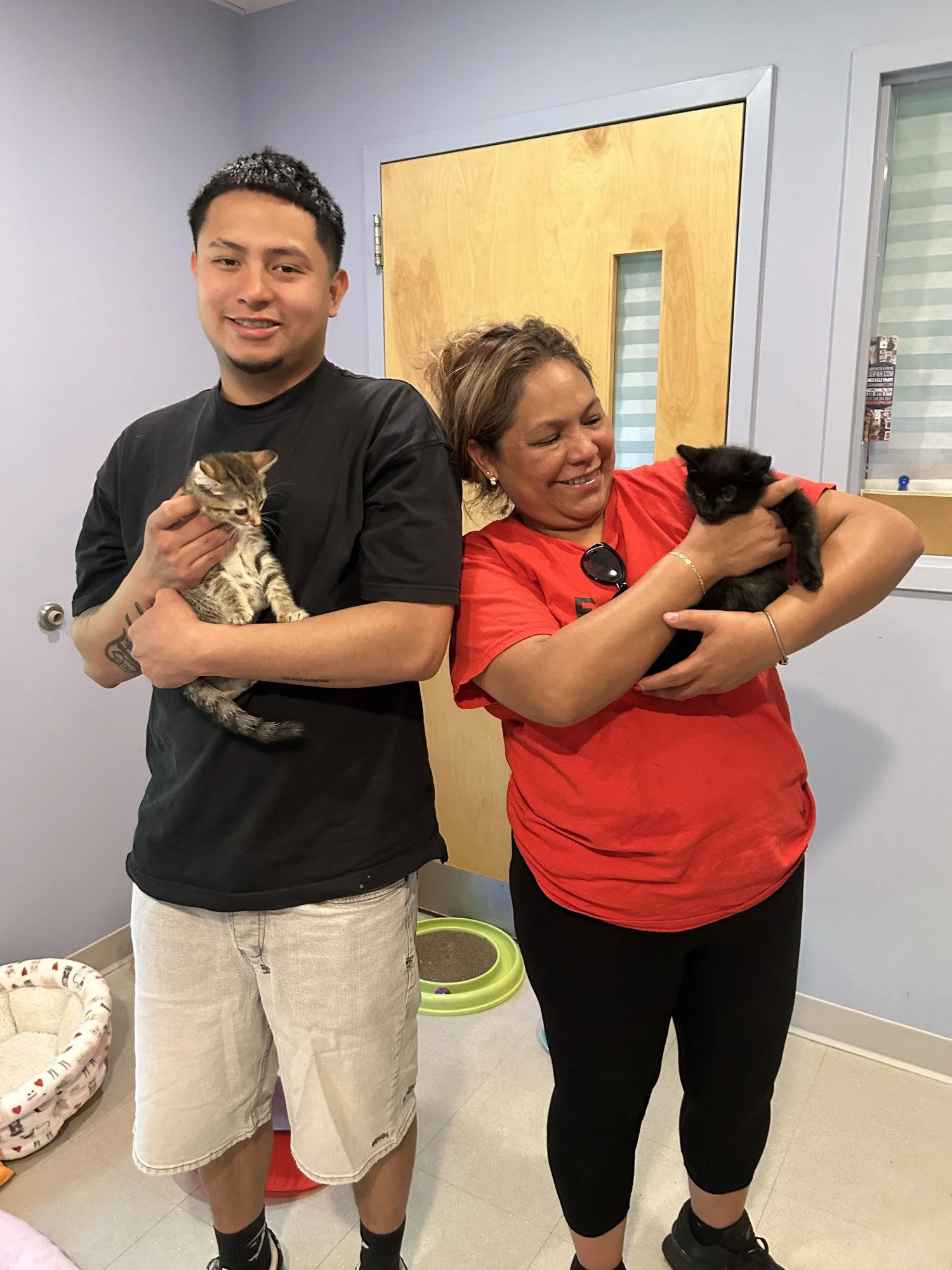
We have a cat-first approach to all we do.
Most shelters run out of space long before they run out of cats, and the ones who wait the longest tend to be the seniors, the shy ones, and the cats who need some medical care before anyone's willing to take a chance on them. Ladew Cats was built around exactly that gap.
We've been at this longer than most rescues have existed at all.
Pat never trusted big charities to spend money the way they promised, so she started her own and paid for it herself. When she passed away in 2002, her friend and our now-staff veterinarian and Executive Director, Dr. Susan Whittred, took over the rescue and kept the promise Pat had asked her for years earlier: whatever happened, this would stay a home, never a warehouse.
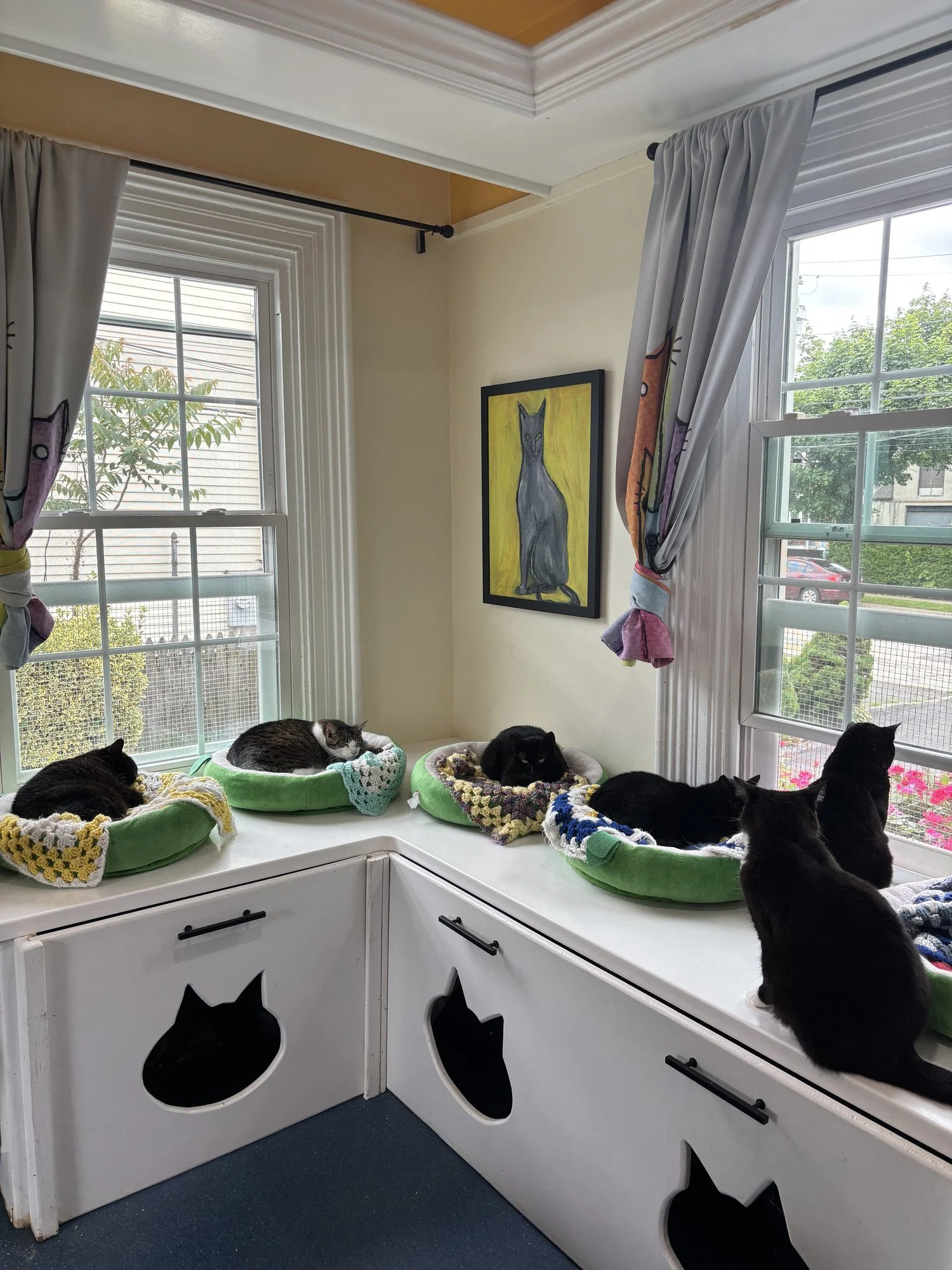
That's still how it runs. Every cat gets a full medical workup, vaccines, spay or neuter, dental work if they need it, before we ever introduce them to a family, so you start with the clearest picture we can give you of their health. The cats who aren't ready for adoption yet, or who never will be, still get the run of the house, a soft bed, and an audience of their choosing, since the living room TV plays birds and squirrels most afternoons for anyone who wants to watch.

How can I get involved?
-
Adopt
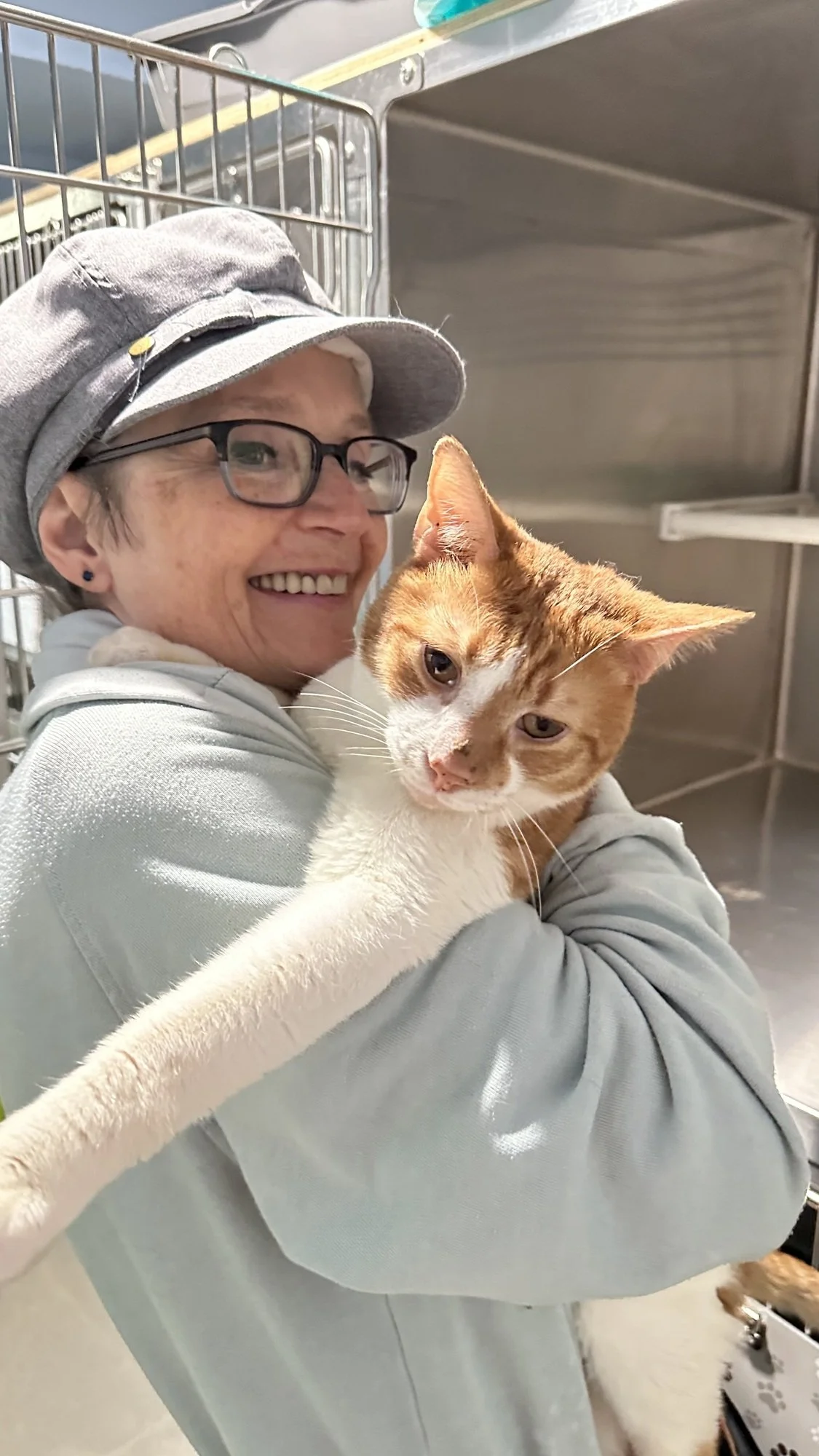
Meet the cats currently looking for a home and take your time with it. Most of them don't walk in the door and decide it's theirs on day one, and that's fine. They get to figure it out at their own pace, and so do you.
-
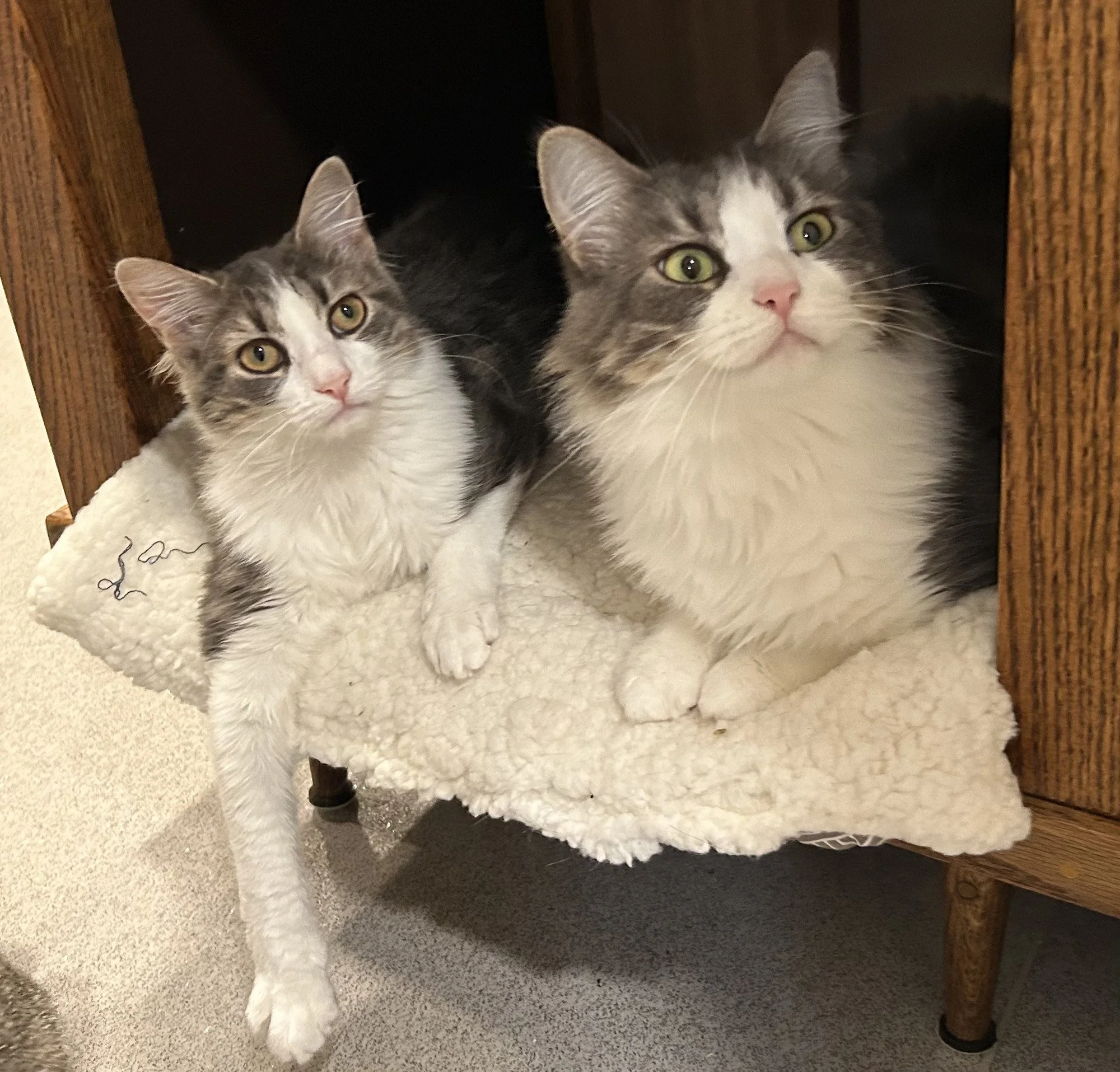
Sponsor a cat
Some of our residents aren't up for adoption and will spend their lives here instead. Twenty-five dollars a month covers real costs for one specific cat, food, litter, medical care, and you'll hear how they're doing.
-
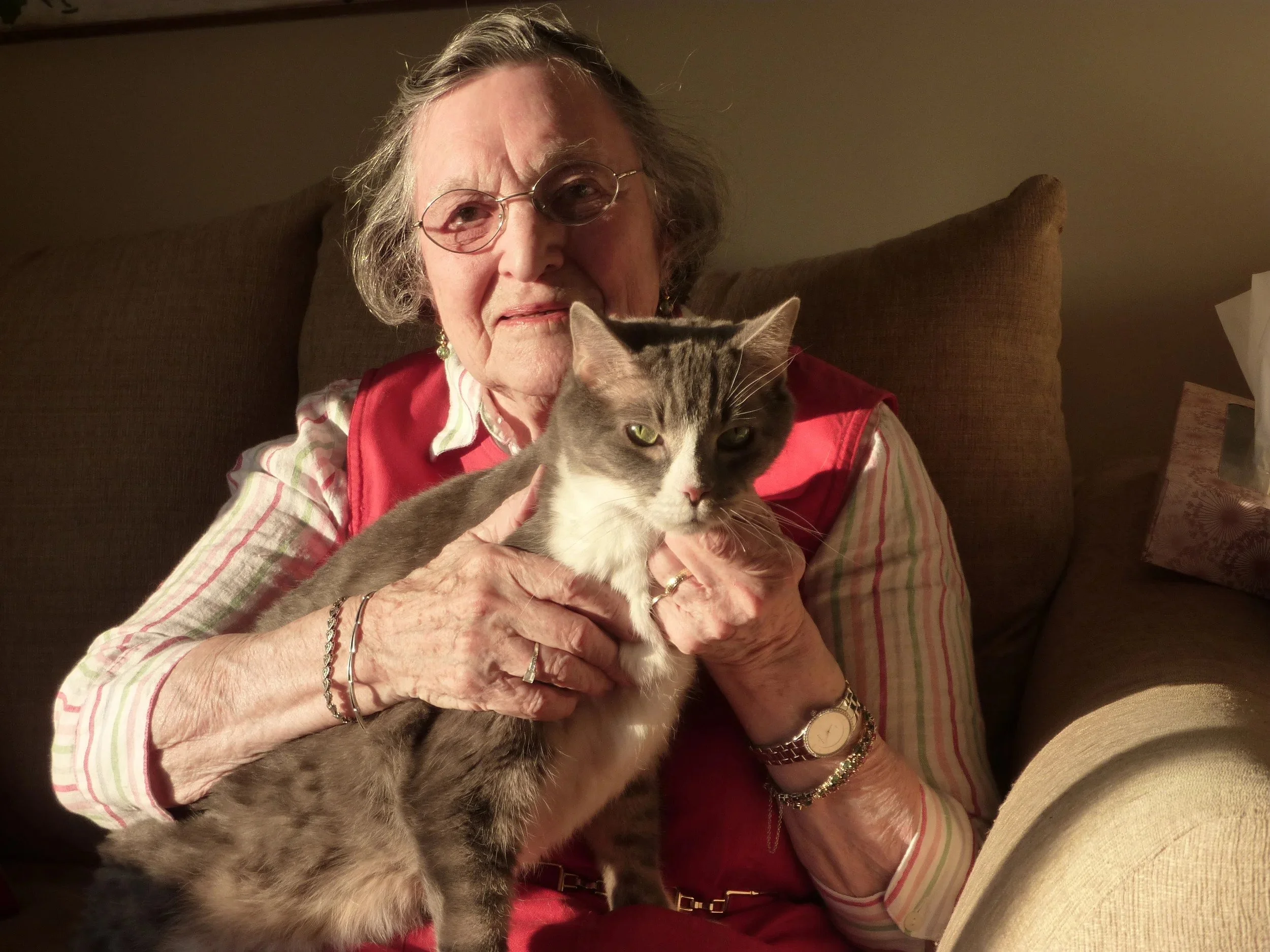
Ways to Give
One-time gifts, monthly giving, and memorial gifts, all of it goes toward keeping the house running: vet bills, food, and the staff who live on site so no cat here spends a night alone.
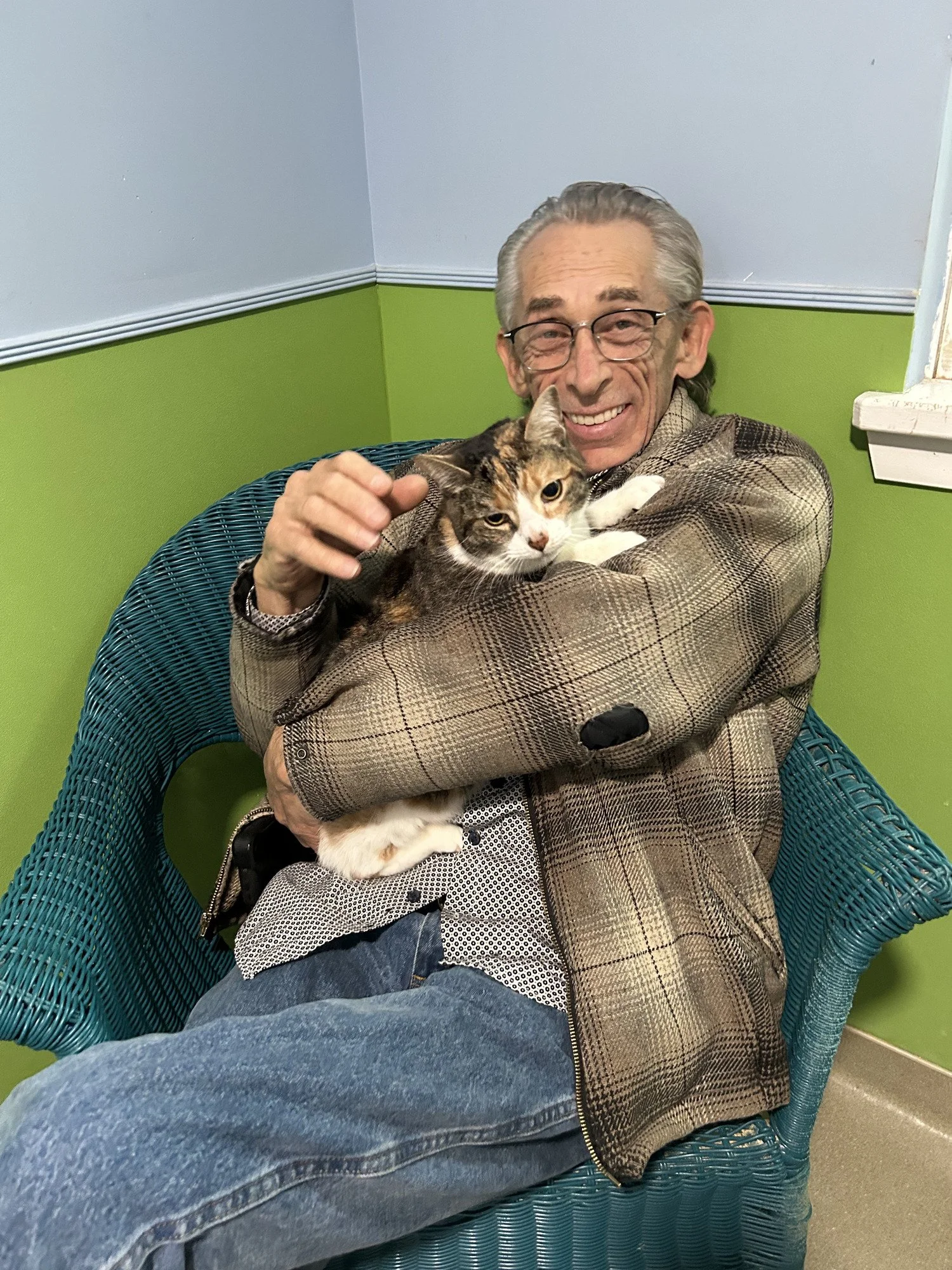
SENIORS FOR SENIORS
This program came out of something personal. After Susan's own parents lost their cat, they told her they weren't ready to get another one, and within a few months she watched them lose their spark right along with it. Once they finally adopted two kittens, everything changed, her father suddenly had somewhere to be and something to buy a toy for.
Seniors for Seniors covers a senior cat's reasonable medical care for life when they're adopted by someone 65 or older, and if anything happens to their person, we take the cat back rather than let them end up anywhere else. Nobody has to adopt while worrying about what happens next.

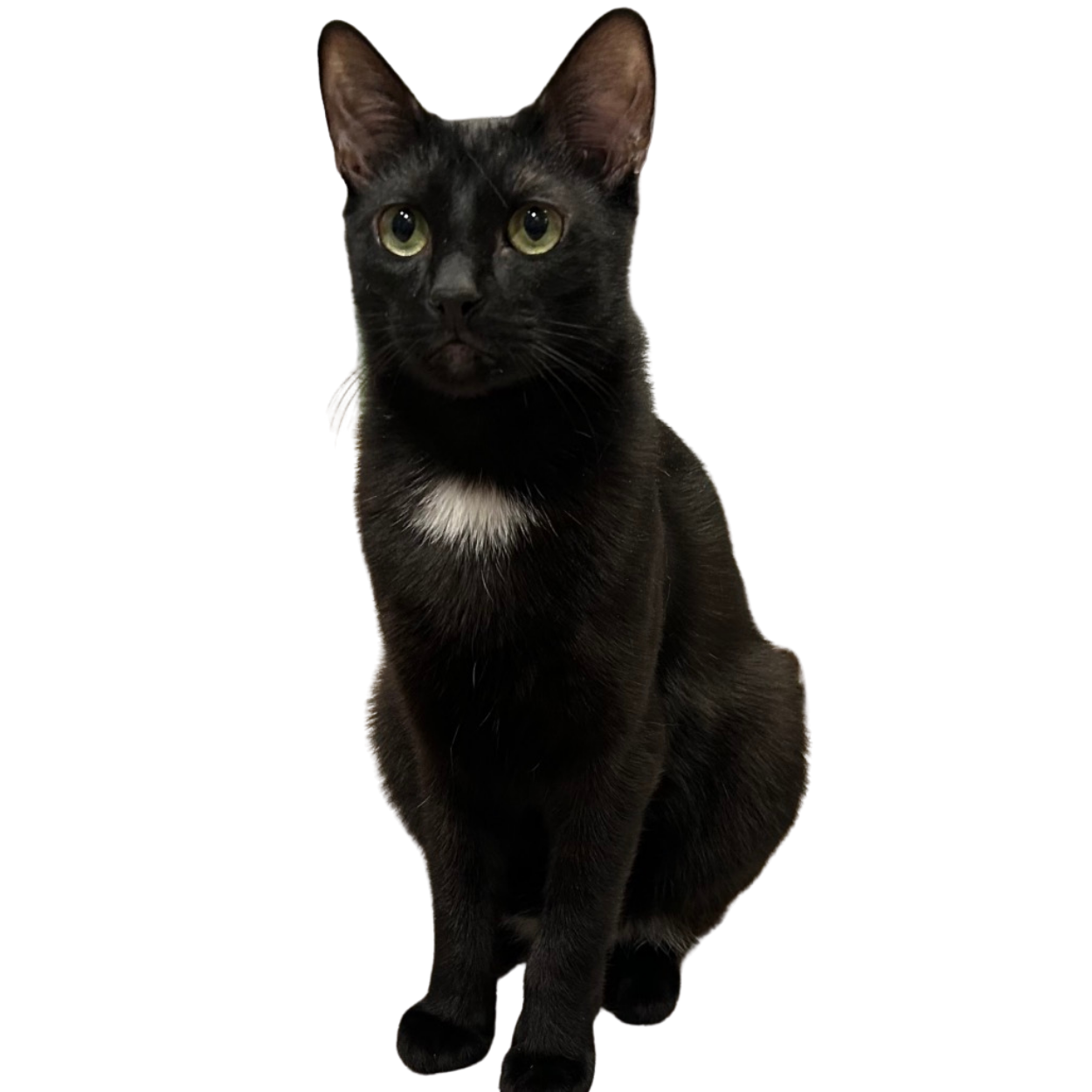


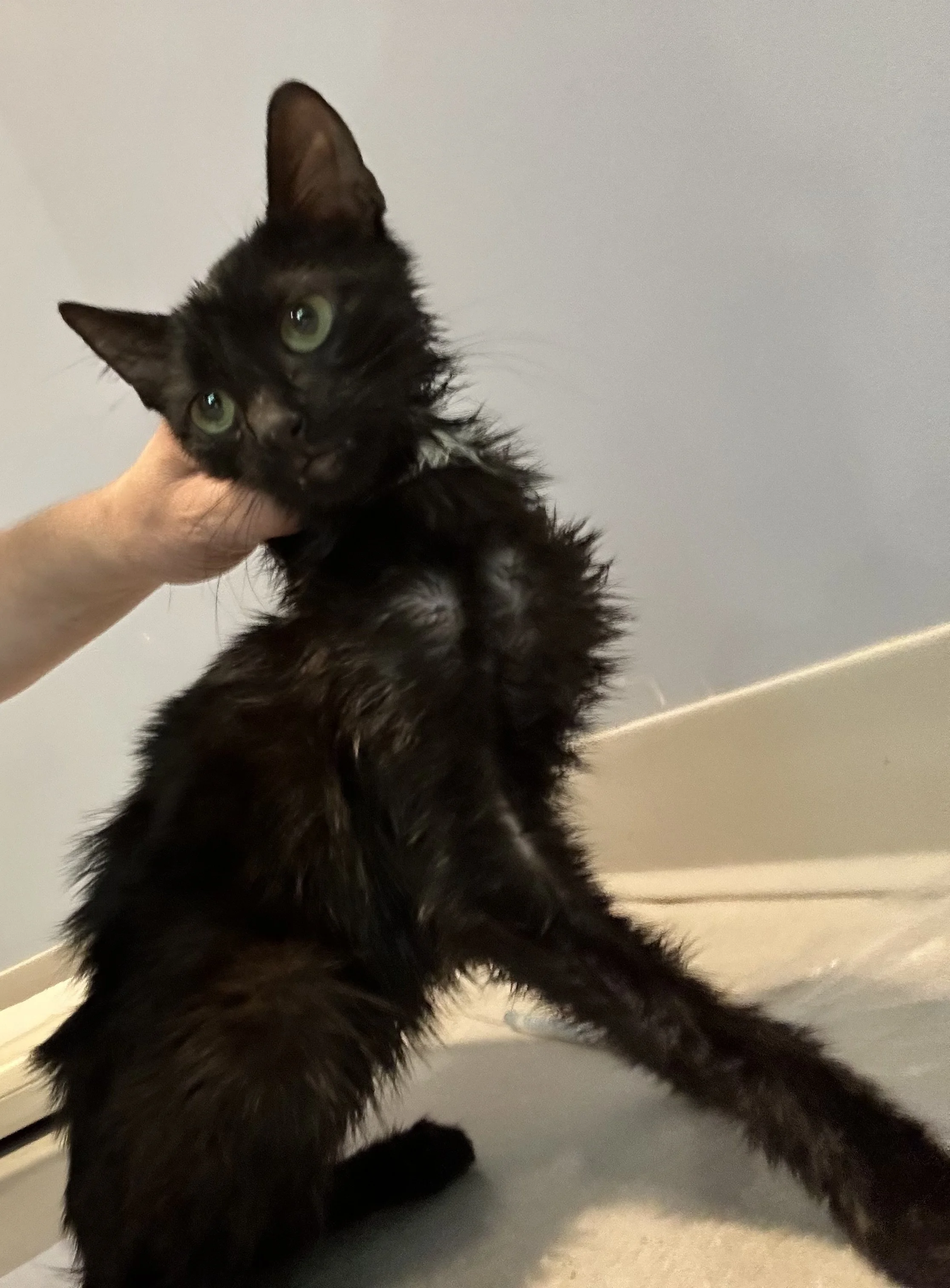
We found a cat named Bean in our own backyard a few years back, barely three pounds and half-starved, wanting absolutely nothing to do with any of us. He got fed, got healthy, and got adopted not long after. Around here, that's less of a highlight reel and more of a Tuesday.
What your support actually does
General donations cover the day-to-day: food, spay and neuter, boarding, the clinic, and the caretakers who live here year-round. Gifts to Sweetie's Spay and Neuter Squad stay separate and go directly toward spay and neuter surgeries. None of it sits idle. If it costs money, there's a cat on the other end of it.
We’re a New York State Licensed Shelter Rescue (License #321)
Fifty years on, the house still runs on the same idea Pat had when she bought it: